
Are You Kind? or Just Afraid to Disappoint People?
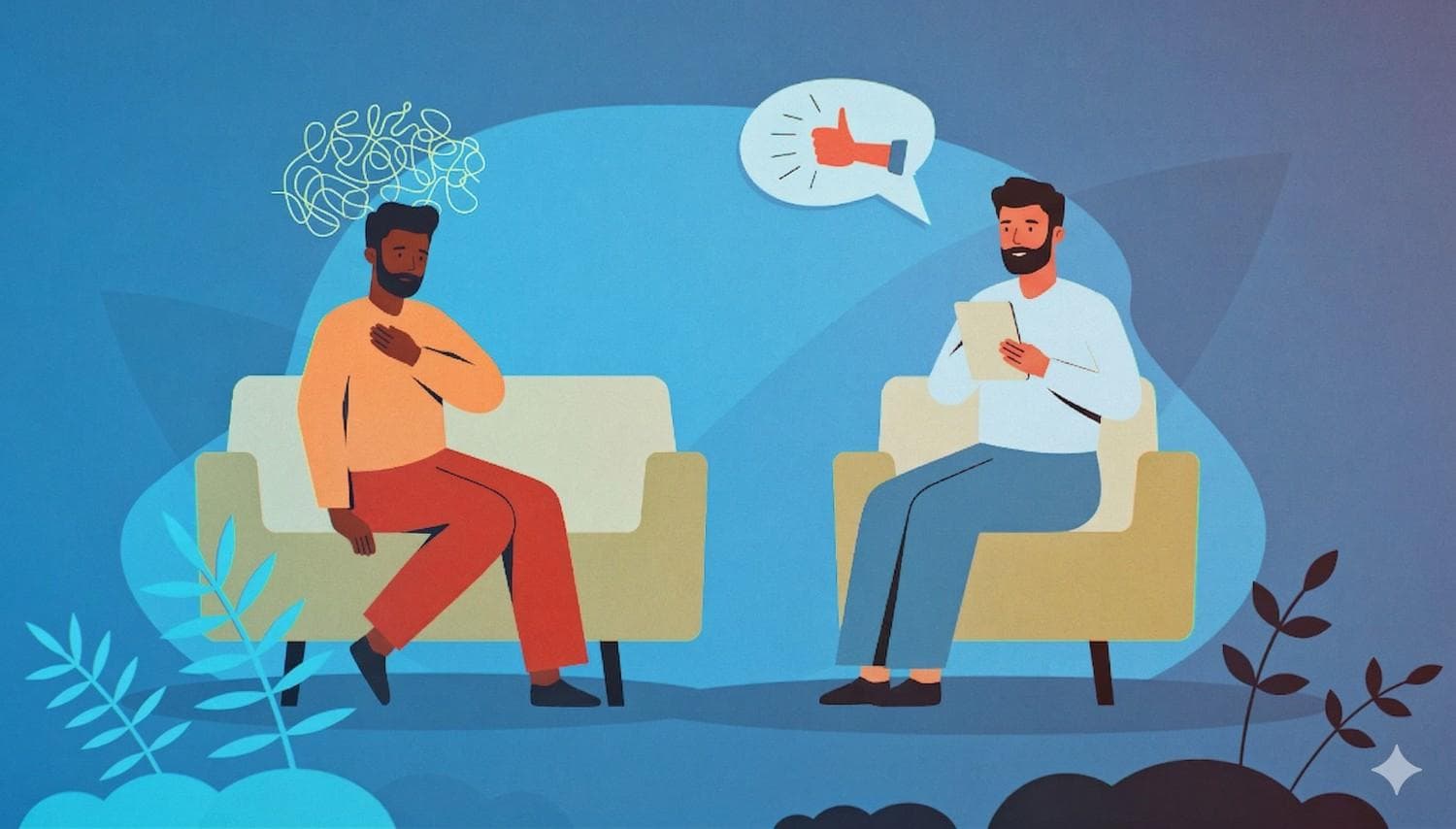
Kindness is not always a sign of psychological health. Learn how people-pleasing turns into exhaustion, and why saying “no” and setting clear boundaries can feel so difficult.
12 min read
See how your traits show up in the way you think, work, and relate to others. Get a clear, research-based result you can actually use.
Based on established Big Five (OCEAN) research.
personality questions answered
And counting
Shareable report links; optional B5+ deep dives.
The Big Five (Openness, Conscientiousness, Extraversion, Agreeableness, and Neuroticism) is the most widely used scientific framework for describing personality. Unlike one-label “type” tests, it measures continuous traits and 30 underlying facets.
Transparent methodology
The English questionnaire uses Johnson's 120-item IPIP-NEO item set. Each answer contributes to one of 30 facet scores grouped under the five OCEAN domains.
Four public-domain IPIP statements cover each of the 30 facets.
Item keys, including reverse-keyed statements, are applied before facet and domain totals.
Scores show tendencies on continuous scales. They are educational, not diagnostic.
For professionals
Choose a managed assessment workspace, or sell reports through a storefront with your brand.
A managed workspace for professional assessment work.
Sell reports from a storefront with your own brand.
Latest news and articles on personality Psychology
Kindness is not always a sign of psychological health. Learn how people-pleasing turns into exhaustion, and why saying “no” and setting clear boundaries can feel so difficult.

Ever wondered why you are the way you are? Why you thrive in a crowd while your friend needs solitude, or why you meticulously plan every vacation while your partner just wants to “go with the flow”?

Discover why Jordan Peterson calls the Big Five the “gold standard” of personality and dismisses the popular MBTI test.