
Public figure comparison
Sam Altman vs Elon Musk: a Big Five personality comparison
Similar ambition. Different public leadership and pressure patterns.
This comparison separates observable Big Five patterns from wealth, intelligence, diagnosis, and private-motive claims.
A versioned public comparison built with the same Big Five and B5+ engine used in the full reports.
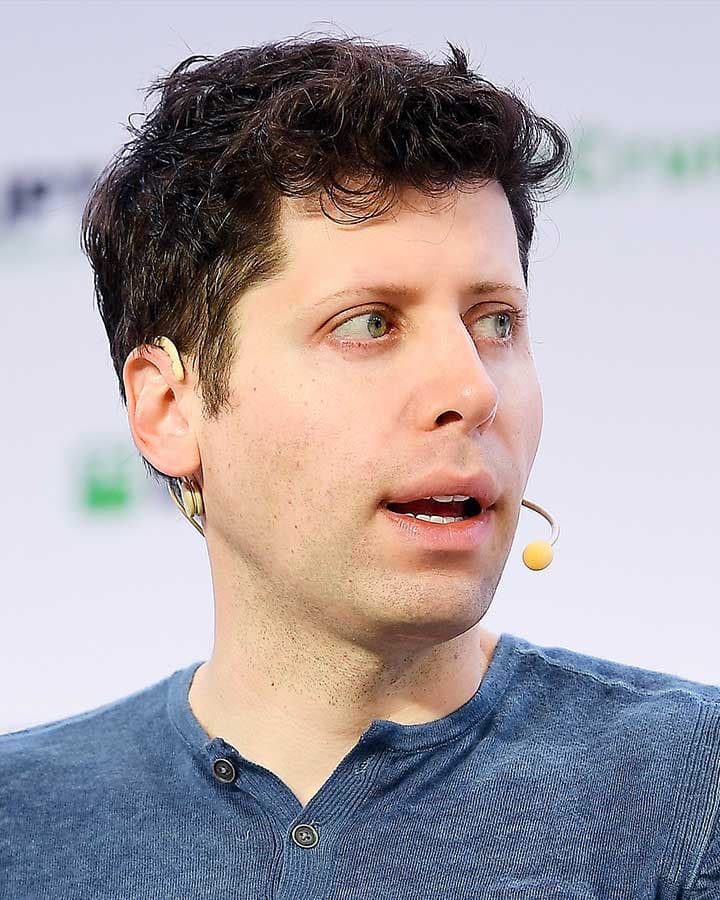
Sam Altman
CEO and co-founder of OpenAI
Highest trait
Openness
Source reliability
56%
Personality overlap
90%+
30-facet similarity
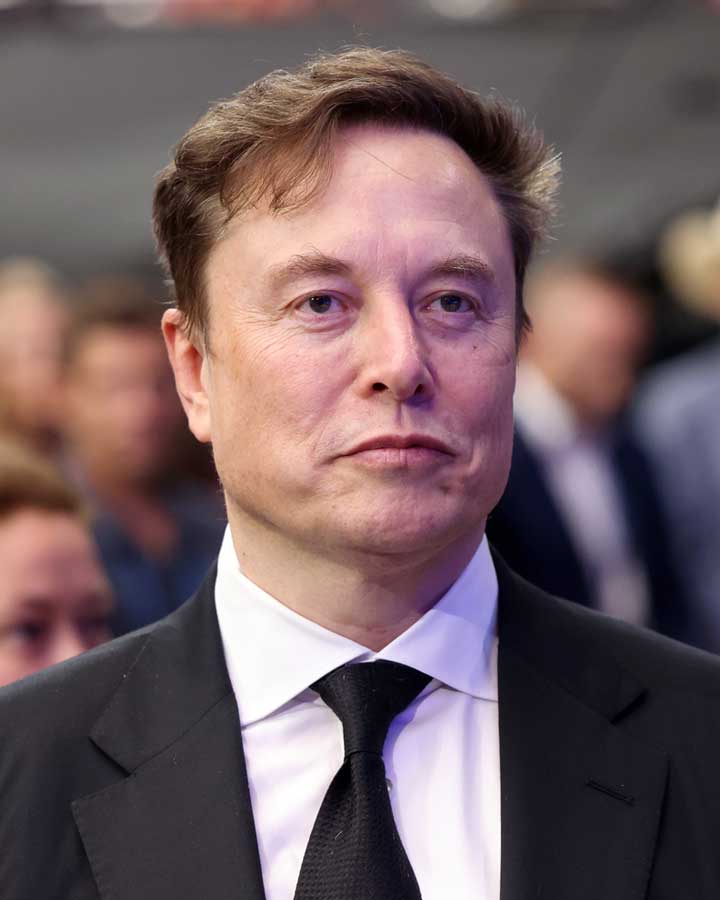
Elon Musk
Entrepreneur and technology executive
Highest trait
Extraversion
Source reliability
61%
Versioned reconstruction: built from public sources and limited human calibration. Expert corrections and stronger evidence can update future versions.
Evidence-led comparison
What this comparison can—and cannot—show
Both profiles are public-behavior estimates built from the same 30 Big Five facets. The useful comparison is not who is “better,” but where their documented leadership, risk, and communication patterns converge or diverge.
Search-intent clarification
This page compares Big Five traits and observable leadership patterns. It does not compare net worth, assign IQ or intelligence scores, diagnose either person, or claim that either completed a BigFive.ly test.
- 01
Ambition and high activity are shared signals
Altman’s essays, testimony, and interviews and Musk’s public output and company records all support strong achievement, activity, and long-horizon ambition. The evidence is stronger for these visible patterns than for inner motives.
Sam Altman personal essays and blog archive · Congressional testimony and public AI policy materials · Direct platform posts: product urgency, mission, openness, and feedback · Tesla investor materials and formal filings
- 02
Their public pressure styles differ
Altman’s formal testimony and long-form interviews generally show a more controlled institutional presentation. Musk’s live interviews and public confrontations provide stronger evidence of visible disruption and direct conflict.
Congressional testimony and public AI policy materials · Long-form interviews and podcast transcripts · BBC interview on the Twitter takeover · DealBook Summit interview and newswire recap
- 03
Governance disputes are constraints, not mind-reading tools
Institutional reviews, litigation, filings, and courtroom records help test public claims, but adversarial material cannot establish private character on its own. Contested interpersonal facets remain conservatively scored.
OpenAI governance review and institutional materials · Independent reporting, litigation coverage, and contested governance accounts · Delaware pay-package opinion and governance coverage · OpenAI trial testimony and courtroom coverage
How the comparison was made
Each source-based profile was reconstructed separately, versioned, and run through the same report engine. The comparison displays those model outputs; it was not tuned to produce a preferred winner.
Selected source basis
Most striking contrast
Quiet control vs visible disruption
Both profiles read as high-risk operators, but Musk appears more publicly volatile while Altman shows a more calculated control style.
Chaos & Order
Sam / Musk
Risk appetite
Order
41%
28%
Chaos
61%
81%
Similarity
Same risk arena
The hook is not who is simply bolder. Both operate in a high-risk zone; the contrast is how each one manages power.
Risk Spectrum
Risk appetite
Both read as high-risk profiles. The useful question is who steers that risk more deliberately.
Negotiation Style
Competing style
Both lean toward a competing negotiation mode when goals collide.
Tyrant Potential
Control pressure
A score appears only when forcefulness and hostile reactions rise together beyond the usual range.
Contrast
Different power styles
These rows compare shadow style, leadership mode, narrative control, and curiosity.
Dark-Side Index
35 pt gap
Leadership Tendencies
13 pt gap
Honesty Blind Spots
0 pt gap
Curiosity
29 pt gap